St John’s Wort – Traditional Use & Research
Botanical Overview
Hypericum perforatum is a perennial flowering plant native to Europe, recognised by its yellow flowers and characteristic oil glands visible when the leaves are held to the light. It has been used medicinally for over two millennia.
Traditionally Reported Benefits
In traditional European herbal medicine, St John’s Wort (Hypericum perforatum) has been widely used for conditions involving the nervous system, emotional wellbeing and nerve-related injury. Historical medical texts describe St John’s Wort as a strengthening and protective herb, particularly valued for disorders affecting the nerves and mood.
Traditional practitioners reported St John’s Wort’s use in a range of nervous and emotional conditions, including:
-
low mood and melancholy
-
nervous tension and anxiety
-
emotional shock and distress
It was commonly prescribed to:
-
support emotional balance
-
calm nervous agitation
-
strengthen resilience following stress or trauma
Traditional sources also describe St John’s Wort as an important remedy for nerve-related pain. Preparations were employed for:
-
neuralgia and nerve pain
-
shooting or burning sensations
-
pain following injury involving the nerves
where it was believed to soothe irritated nerves and support recovery.
St John’s Wort was also widely used in traditional wound care. Herbal texts reference its use in:
-
cuts and wounds
-
bruises and contusions
-
burns and skin trauma
particularly where injury involved both tissue damage and nerve pain. Oil infusions were applied externally to:
-
reduce inflammation
-
protect damaged tissue
-
support healing
Within traditional medicine, St John’s Wort was further employed for musculoskeletal complaints. Preparations were used in cases of:
-
sprains and strains
-
muscle pain
-
rheumatic discomfort
Historically, St John’s Wort held strong symbolic and medicinal significance. Medieval herbalists associated the plant with protection and healing, and Culpeper described it as one of the foremost remedies for wounds and disorders of the nerves.
By the 18th and 19th centuries, St John’s Wort had become a standard remedy across Europe, widely used for nervous complaints, emotional disturbance and injury-related pain.
These reported benefits reflect centuries of traditional medical use and historical practice
Traditional Use
St John’s Wort has been traditionally associated with emotional balance, nerve health and recovery from mental strain. In historical herbal practice, it was selected during periods of melancholy, nervous exhaustion and emotional disturbance.
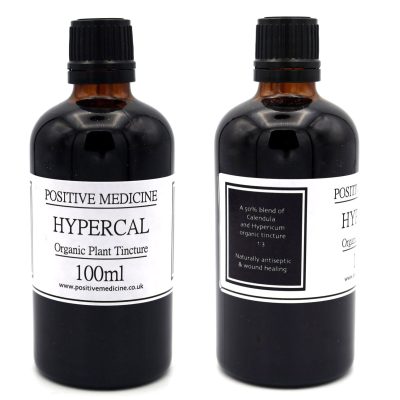
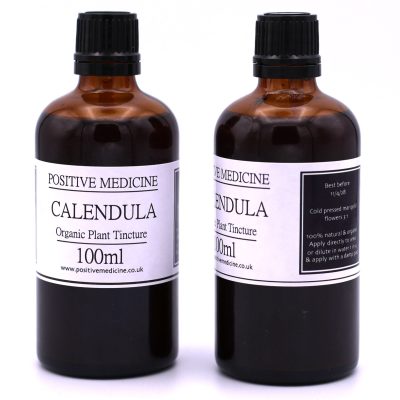
Externally, the herb was also widely used for wounds, burns and nerve-related discomfort, particularly when injuries involved pain or sensitivity. Hypericum and Calendula were often mixed together to make a potent wound healing tincture.
Historical Context
The plant’s name derives from its traditional harvesting around St John’s Day (24th June). Medieval herbalists regarded it as a plant of protection and balance, both physically and emotionally.
Its consistent appearance in classical, medieval and Renaissance medical texts reflects its central role in traditional European medicine.
Scientific Research
Clinical research into St John’s Wort expanded significantly in the late 20th century. Multiple randomised controlled trials and meta-analyses have evaluated its use in mild to moderate depression.
The BMJ meta-analysis (1996) and later reviews found St John’s Wort extracts to be significantly more effective than placebo, with comparable outcomes to standard treatments in mild cases. Additional studies have explored its influence on serotonin, dopamine and noradrenaline pathways.
Research has also examined antiviral activity and external applications of Hypericum preparations, supporting continued scientific interest in this historically significant plant.
Summary
St John’s Wort remains one of the most extensively studied medicinal plants in Western herbal medicine. Its combination of deep traditional use and substantial modern research continues to inform its role in contemporary herbal practice.
In 1996 the BMJ published a meta-analysis of 23 randomised trials which demonstrated effectiveness of st Johns wort in depression. The Centre for Complementary Health Studies in Exeter made a critical assessment of 18 clinical trials n St Johns Wort