
Description

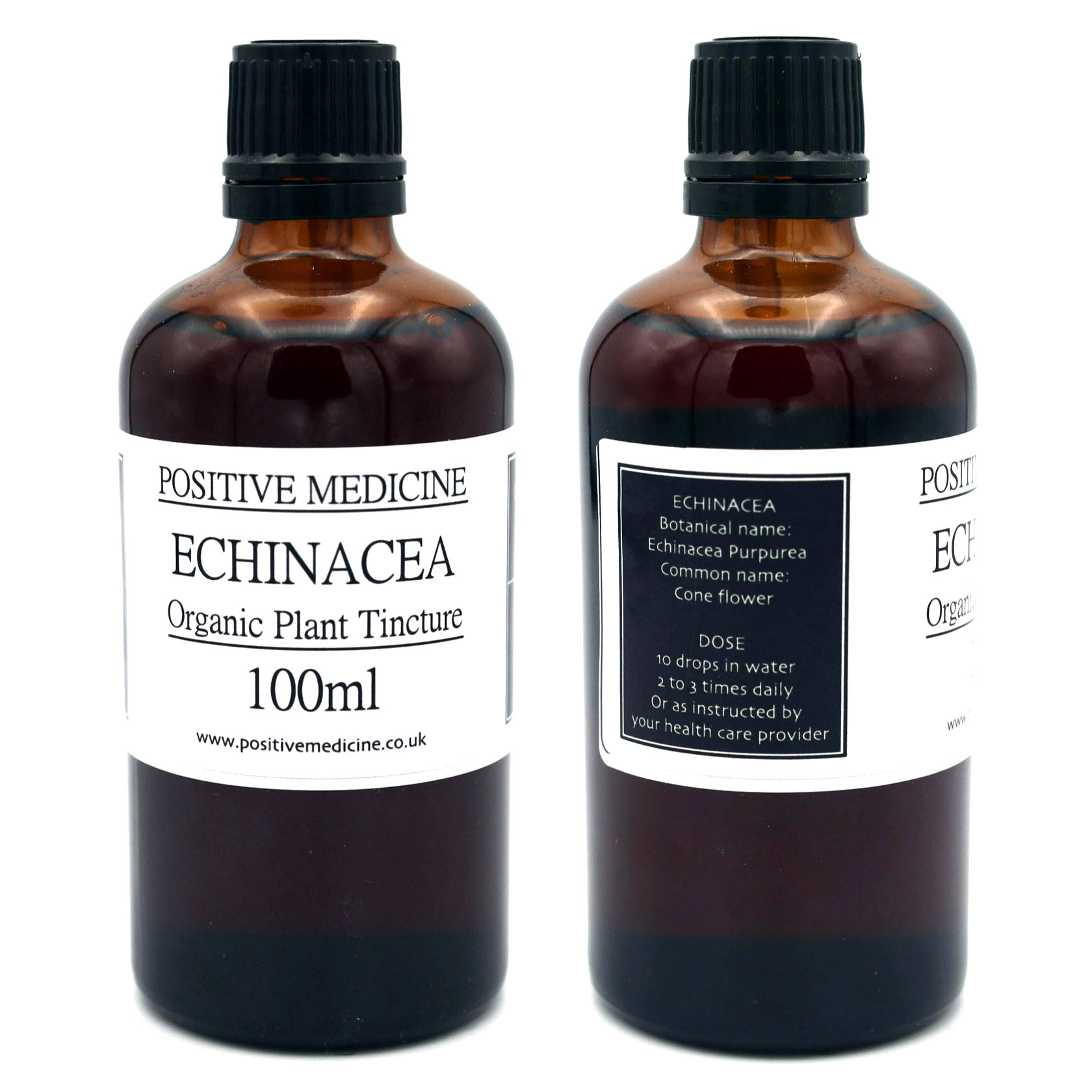
Organic Echinacea Purpurea Tincture is prepared from the whole fresh plant and has a long history of use in Western herbal practice. Traditionally valued by herbalists, echinacea has been included in herbal routines associated with general resilience and wellbeing, particularly during times of seasonal challeng
NOTE: For regulatory reasons, product pages describe ingredients and traditional context only. Information on traditional benefits, historical uses and research can be found on the Traditional Use & Research page.
Traditional Herbal Context
In traditional herbal practice, echinacea was described as an alterative herb — a term used by herbalists to describe plants selected to support the body’s natural ability to restore balance and vitality.
Herbal traditions associated echinacea with general resilience and strength, and it was commonly included in short-term herbal routines during periods when the body was under increased environmental or seasonal pressure.
Echinacea was also historically included in diluted external preparations and gargles as part of traditional hygiene practices
History
Echinacea is native to North America and was used extensively by Indigenous peoples, who valued it as a versatile plant within their traditional systems. Knowledge of its use was later adopted by early American herbalists and physicians.
By the late 19th and early 20th centuries, echinacea became one of the most widely used herbs in American herbal practice and was embraced by the Eclectic Medical tradition. It later gained popularity in Europe, where it became one of the most researched herbs in modern herbalism.
Scientific Interest
Modern scientific interest in Echinacea purpurea has focused on its naturally occurring plant compounds, including alkylamides, polysaccharides and phenolic compounds.
Research has explored echinacea’s interaction with immune signalling pathways and its traditional context of use. Numerous laboratory and clinical studies have contributed to ongoing interest in echinacea as a botanical of significance within contemporary herbal research.
References to scientific studies reflect areas of ongoing research interest rather than medicinal claims relating to products sold on this website.
General Information
Botanical name: Echinacea purpurea
Common names: Echinacea, Purple Coneflower
Family: Asteraceae
Habitat: Native to central North America; widely cultivated
Parts used: Whole plant
Tincture strength: 1:3, 25% vol. alc.
Dose
Add 10–20 drops to water, up to two or three times daily, or as directed by a qualified herbal practitioner.

Reviews
There are no reviews yet.