
Description
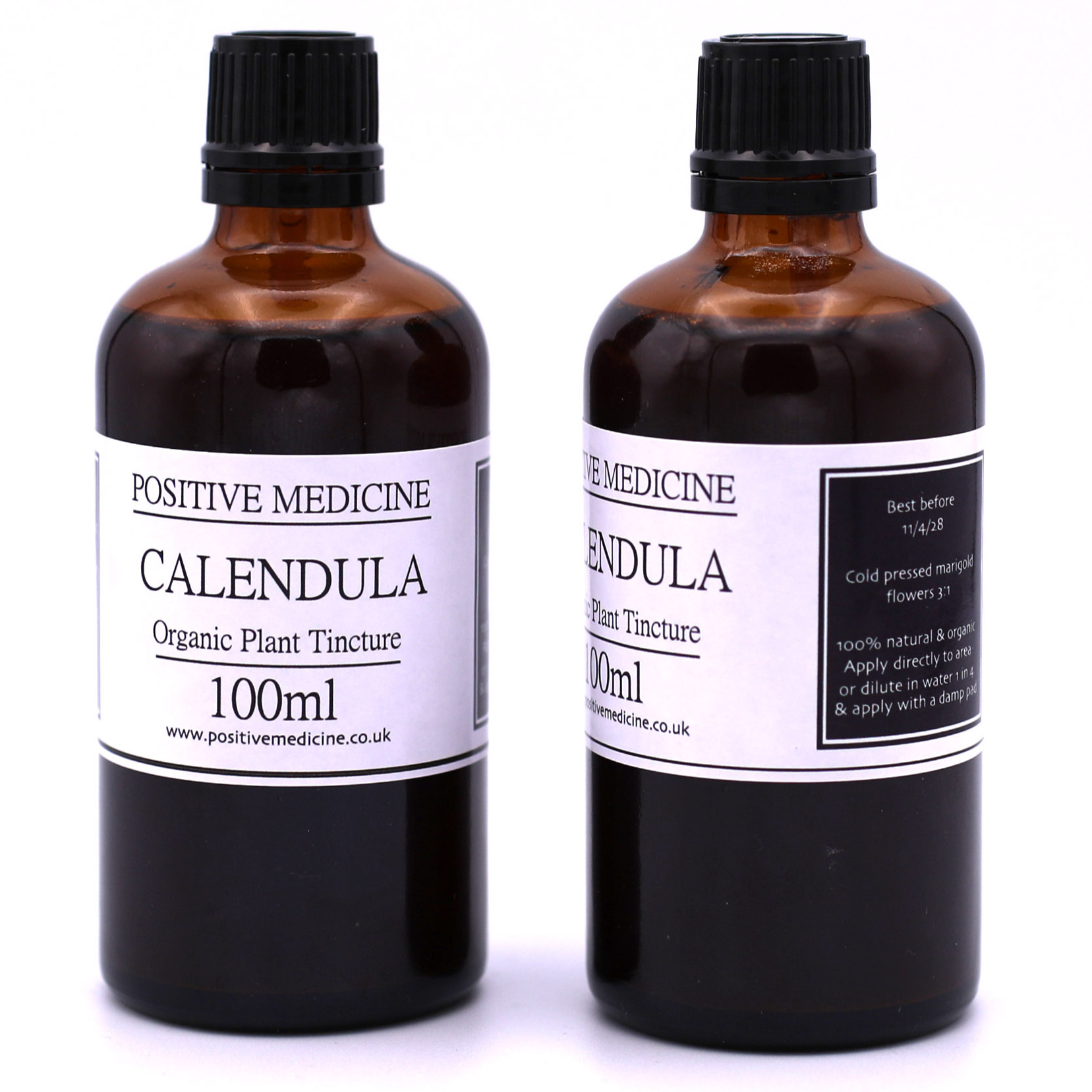
Calendula Tincture is a traditional herbal preparation made from Calendula officinalis, also known as English marigold. Calendula has a long history of use in European herbal practice, both internally and externally, and has traditionally been valued for its gentle qualities.
The flower petals contain a range of naturally occurring plant compounds and have historically been included in herbal preparations associated with skin care, cleanliness and general comfort.
History
Calendula marigold has been used as both a food and a herb by ancient Greek, Indian, Persian and Roman cultures. Historical records suggest the Romans introduced calendula to England, where it became widely cultivated.
The flower petals were traditionally used to add colour to butter, cheese, broths and salads. Herbalists of the Middle Ages, including Culpepper and Gerard, described calendula as a “comforter of the heart and spirits” and noted its broad traditional applications.
During the Middle Ages, English Marigold was a popular pot herb, frequently added to soups and stews. The name Calendula is derived from calendae, referring to the plant’s tendency to flower repeatedly throughout the year. The common name Marigold is traditionally associated with the Virgin Mary, often referred to as “Mary’s Gold”.
Scientific Interest
Modern scientific interest in calendula has focused on its naturally occurring plant compounds, including flavonoids, carotenoids and triterpenoids. Phyto-pharmacological research has explored calendula in laboratory and clinical contexts, particularly in relation to topical applications.
Several clinical studies have examined calendula in comparison with other topical preparations, contributing to ongoing research into its traditional external use. These studies reflect scientific interest in calendula’s historical applications rather than constituting medicinal claims for products sold on this site.
General
Botanical name: Calendula officinalis
Common names: English Marigold, Pot Marigold, Marygold, Garden Marigold
Family: Asteraceae (Compositae)
Parts used: Flower petals
Tincture strength: 1:3, 35% vol. alc.
Directions
Internal use:
Add up to 1 teaspoon to water, up to three times daily, or as directed by a qualified herbal practitioner.


Lucie Crombie (Hants) –
Calendula tincture is such a fantastic healer for my skin.