
Description
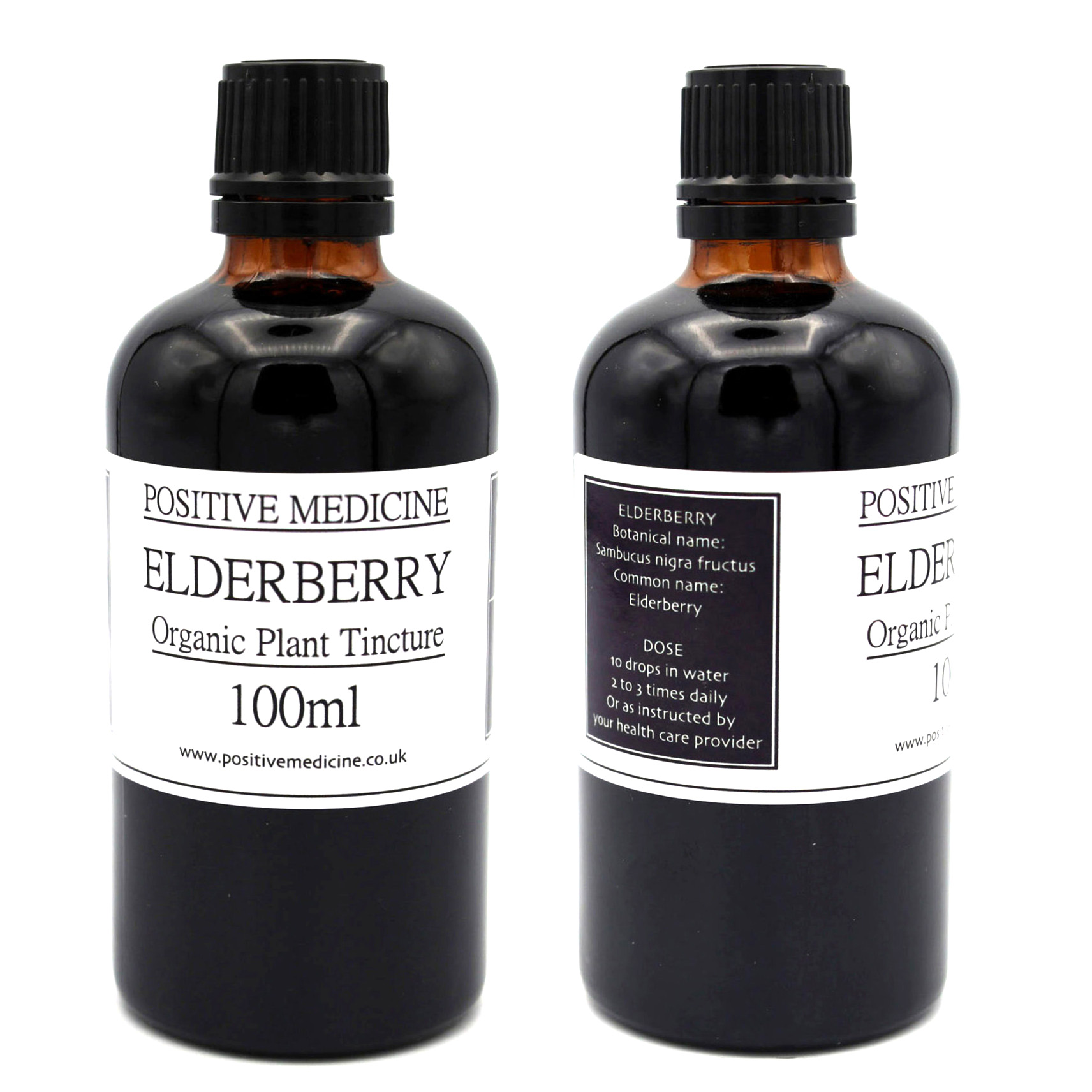
Elderberry Tincture


Organic Elderberry Tincture is prepared from the ripe berries of the Black Elder (Sambucus nigra), a plant with a long history of use in European herbal traditions. Elderberry has traditionally been included in seasonal herbal routines and was valued for its association with general resilience and nutritional support.
Elderberries are naturally rich in plant nutrients, including flavonoids and pigments that contribute to their deep blue-purple colour.
NOTE: For regulatory reasons, product pages describe ingredients and traditional context only. Information on traditional benefits, historical uses and research can be found on the Traditional Use & Research page.
Traditional Seasonal Use
In traditional herbal practice, elderberry was often included as part of autumn and winter routines. The berries ripen late in the year, a time when nutritional support was historically valued. Elderberry was regarded as a useful addition to seasonal preparations and commonly taken as cordials, syrups, wines and tinctures.
Elderberry was also traditionally associated with respiratory comfort and was frequently paired with elderflower in classic herbal combinationsFurther reading:
Nutritional Profile
Elderberries are naturally rich in vitamins and minerals, including vitamin C, vitamin A, vitamin B6, potassium and trace elements. They are also a notable source of flavonoids and anthocyanins — plant pigments widely studied for their antioxidant properties.
Anthocyanins are water-soluble pigments found in many dark-coloured fruits and vegetables and are recognised for their role in protecting plant tissues.
History
The Elder tree has long been regarded as an important food and medicine source. Hippocrates, often referred to as the father of medicine, described the Elder tree as a “medicine chest” due to its many traditional uses.
Elderberries have featured in European food traditions for centuries, appearing in recipes for jams, jellies, wines and cordials. Elderberry wine and preserves were especially popular in rural communities and remain part of traditional seasonal food culture.
Scientific Interest
Modern scientific interest in elderberry has focused on its nutritional composition and naturally occurring plant compounds, including flavonoids and anthocyanins. Research has explored elderberry in relation to immune-related signalling pathways and seasonal wellbeing.
Clinical and laboratory studies continue to examine elderberry preparations, contributing to ongoing interest in its traditional role within herbal practice. References to research reflect areas of scientific exploration rather than medicinal claims regarding products sold on this website.
General Information
• Botanical name: Sambucus nigra
• Common name: Elderberry
• Family: Adoxaceae (formerly Caprifoliaceae)
• Habitat: Native to and widespread throughout Europe
• Parts used: Berries
• Tincture strength: 1:3, 25% vol. alc.
Dose
Add 10–20 drops to water, up to three times daily, or as directed by a qualified herbal practitioner.

Reviews
There are no reviews yet.