Rosemary (Rosmarinus officinalis) is an aromatic evergreen shrub native to the Mediterranean region and has been valued for thousands of years in traditional European, Middle Eastern and North African herbal practice. It has been associated historically with memory, vitality, circulation and clarity of mind, as well as with skin and hair care traditions.
The name Rosmarinus means “dew of the sea,” reflecting the plant’s natural coastal habitat and its long-standing symbolic association with freshness, remembrance and renewal.
Traditionally Reported Benefits
In traditional European herbal medicine, rosemary flower water (hydrosol of Rosmarinus officinalis) has been widely used for conditions involving mental fatigue, poor circulation and muscular discomfort. Historical medical texts describe rosemary waters as stimulating, strengthening and clarifying.
Traditional practitioners reported the use of rosemary flower water in a range of nervous and mental conditions, including:
-
mental fatigue and sluggishness
-
poor concentration and forgetfulness
-
low energy and dullness of mind
Rosemary flower water was commonly used to:
-
stimulate alertness
-
improve mental clarity
-
refresh the senses
It was particularly valued where symptoms were associated with:
-
overwork or prolonged concentration
-
mental exhaustion
-
lack of focus
Traditional sources also describe rosemary flower water’s use for circulatory complaints. It was applied externally for:
-
cold hands and feet
-
sluggish circulation
-
feelings of heaviness or stagnation
where it was believed to:
-
stimulate blood flow
-
warm the tissues
-
support circulation
Rosemary flower water was further employed for musculoskeletal discomfort. Washes and compresses were used for:
-
aching muscles
-
stiff joints
-
discomfort following physical exertion
where it was believed to ease tension and improve mobility.
Within traditional digestive care, rosemary flower water was used for discomfort linked to weakness or poor circulation to the digestive organs. Herbal texts reference its use where:
-
indigestion
-
bloating
-
abdominal discomfort
were believed to arise from coldness or sluggish digestion.
Historically, rosemary was regarded as a herb of memory, vitality and protection. Ancient Greek scholars associated rosemary with remembrance, while medieval herbalists described it as strengthening to the brain and heart. Culpepernoted rosemary’s influence on disorders of the head and its warming, invigorating nature.
By the 18th and 19th centuries, rosemary flower water had become a familiar household preparation across Europe, valued for its refreshing, stimulating and strengthening properties.
These reported benefits reflect centuries of traditional medical use and historical practice
Traditional Uses
In traditional herbal systems, rosemary has been used both internally and externally. Externally, rosemary preparations were commonly applied to the skin and scalp and used as aromatic waters or washes. Internally, rosemary was traditionally taken as part of herbal routines aimed at supporting circulation, digestion and mental alertness.
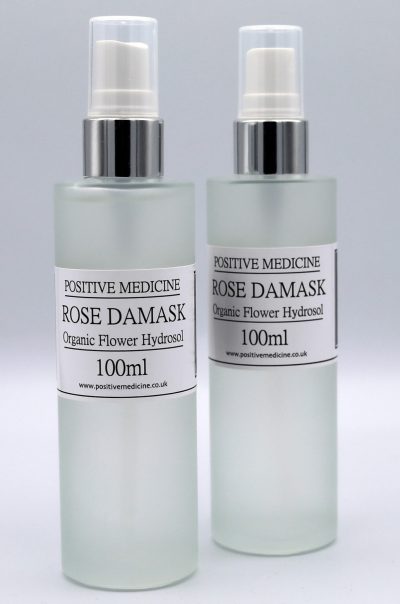
Rosemary hydrosol (flower water) was traditionally used as a gentle and aromatic way of delivering the plant’s properties, particularly where essential oils might be considered too strong.
Historically, rosemary was associated with:
-
Supporting clarity, focus and memory
-
Refreshing the senses during periods of mental fatigue
-
Traditional scalp and hair care practices
-
Skin toning and revitalising preparations
-
Aromatic cleansing of spaces and garments
Historical Context
Rosemary has deep roots in cultural and medicinal history. In ancient Greece and Rome, students wore rosemary garlands while studying to support memory and concentration. It was also used in religious ceremonies, funerary rites and wedding traditions, symbolising remembrance and fidelity.
One of the most famous historical preparations containing rosemary was Queen of Hungary Water, a 13th-century aromatic distillation reputedly used as both a perfume and skin preparation. This formulation helped cement rosemary’s reputation as a rejuvenating and invigorating botanical.
Throughout medieval Europe, rosemary featured prominently in household herbal texts and was valued as both a culinary and medicinal plant.
Skin & Hair Traditions
Rosemary has long been included in traditional skin and hair preparations. Herbalists historically used rosemary-infused waters and oils to refresh the complexion, tone the skin and invigorate the scalp.
Traditional uses include:
-
Aromatic scalp rinses
-
Skin toners and refreshing facial sprays
-
Preparations intended to support healthy circulation to the skin
-
Use in massage waters and compresses
Rosemary hydrosol, in particular, was valued for its gentler nature compared to essential oil, making it suitable for frequent topical use.
Scientific & Phytochemical Interest
Modern scientific interest in rosemary has focused on its naturally occurring compounds, including rosmarinic acid, ursolic acid and various aromatic constituents.
Research has explored rosemary’s antioxidant properties and its interaction with skin biology, including studies examining its role in supporting skin structure and cellular activity. Ursolic acid, in particular, has been studied for its association with collagen support and skin elasticity.
Other areas of research have investigated rosemary’s aromatic compounds and their effects on alertness, mood and cognitive performance when inhaled, supporting its long-standing traditional association with mental clarity.
Aromatic & Cognitive Traditions
Rosemary has historically been used as an aromatic herb to support focus and presence of mind. Traditional practices included inhalation of rosemary vapours, use of rosemary-infused waters in rooms and application of aromatic preparations during study or periods requiring sustained attention.
Modern studies into aroma and cognition have helped revive interest in rosemary’s traditional reputation for memory and alertness, particularly in relation to inhalation of aromatic compounds.
Summary
Rosemary is one of the most historically revered herbs in Western herbal tradition. Its long-standing use across cultures for skin care, hair care, aromatic refreshment and mental clarity is supported by both traditional knowledge and modern scientific interest.
Rosemary flower water represents a gentle and traditional way of working with this plant, offering aromatic and topical benefits consistent with centuries of herbal practice.
Botanical Information
• Botanical name: Rosmarinus officinalis
• Common name: Rosemary
• Family: Lamiaceae
• Habitat: Native to the Mediterranean region
• Parts traditionally used: Aerial parts