Botanical Overview
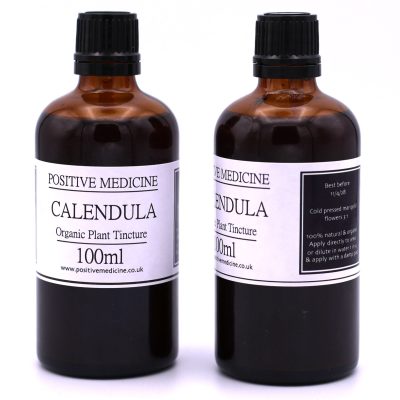
Calendula (Calendula officinalis), commonly known as English Marigold, is a brightly flowering plant native to southern Europe and widely cultivated across temperate regions. The vivid orange and yellow petals have been traditionally harvested for use in herbal and skincare preparations.
Traditionally Reported Benefits
In traditional European herbal medicine, calendula oil (Calendula officinalis) has been widely used as an external preparation for conditions involving skin damage, inflammation and delayed healing. Historical herbal texts describe calendula-infused oils as principal remedies for wounds, burns and irritated or broken skin.
Traditional practitioners reported calendula oil’s use for a range of skin conditions, including:
-
cuts and abrasions
-
ulcers and cracked skin
-
rashes and inflammatory skin conditions
It was commonly applied directly to affected areas to:
-
soothe irritation
-
reduce redness
-
support tissue repair
Calendula oil was particularly valued where the skin was:
-
sensitive
-
slow to heal
-
prone to infection
Calendula oil was also traditionally used in cases of burns and scalds. Herbal sources describe its application to:
-
minor burns
-
sun damage
where it was believed to calm inflammation and encourage recovery of damaged tissue. Because of its gentle nature, calendula oil was often selected for use on:
-
delicate skin
-
the skin of infants
-
the skin of the elderly
Within traditional lymphatic and inflammatory medicine, calendula oil was used externally to address:
-
swollen glands
-
cysts
-
localised inflammation
Massage with calendula oil was believed to:
-
encourage movement of stagnant fluids
-
support healing in congested tissues
Calendula oil was further employed in traditional gynaecological and perineal care. Historical texts reference its use:
-
following childbirth
-
for haemorrhoids
-
for inflammation affecting the reproductive area
where gentle soothing and tissue repair were required.
Classical and medieval herbalists including Hildegard of Bingen, Gerard and Culpeper documented calendula’s extensive medicinal use. Oil infusions of the flowers were particularly prized for their ability to penetrate the skin and deliver the plant’s healing qualities directly to damaged tissues.
By the 18th and 19th centuries, calendula oil had become a standard preparation in European folk medicine and early medical practice, widely used in household wound care and skin treatment.
These reported benefits reflect centuries of traditional medical use and historical practice.
Traditional Use
Calendula has been used in European herbal medicine for centuries, particularly in preparations associated with skin care. Traditional herbal texts describe calendula as a gentle and supportive plant, often chosen when the skin appeared delicate or in need of comfort.
Historically, calendula was infused into oils, fats and waxes to create balms, ointments and massage oils used for everyday skin maintenance.
Calendula – Summary of Traditional Benefits
Traditionally associated with:
-
Supporting skin repair and tissue regeneration
-
Maintenance of healthy inflammatory response
-
Care of sensitive, irritated or compromised skin
-
Traditional lymphatic and cleansing applications
-
Support for mucosal tissue health
Research interest includes:
-
Anti-inflammatory and antimicrobial activity
-
Wound-healing and epithelial repair
-
Use in dermatological and post-radiotherapy skin care studies
Historical Context
Calendula was known to the ancient Greeks, Romans, Persians and Indian cultures, where it was used both as a food plant and for traditional remedies. In medieval Europe, calendula featured prominently in herbal manuscripts.
Nicholas Culpeper and other herbalists of the Middle Ages described calendula as a plant associated with comfort and vitality. The name Calendula is thought to derive from “calends”, referring to the plant’s long flowering season.
Scientific Interest & Research
Modern scientific research into calendula has focused on its phytochemical constituents, including flavonoids, triterpenoids and carotenoids. These compounds have been studied for their role in skin physiology and barrier support.
Clinical and laboratory studies have examined calendula extracts in relation to skin integrity, inflammatory pathways and tissue response. Calendula has been included in numerous dermatological studies exploring its traditional role in topical formulations.
Research references reflect areas of scientific interest and investigation rather than medicinal claims about products sold on this website.
Contemporary Skincare Use
Calendula remains widely used in modern botanical skincare, particularly in creams, oils and balms intended for sensitive or delicate skin. Its long-standing traditional use, combined with ongoing scientific interest, supports its continued relevance in natural skincare formulations.
Botanical Information
• Botanical name: Calendula officinalis
• Common name: English Marigold
• Family: Asteraceae
• Parts used: Flower petals