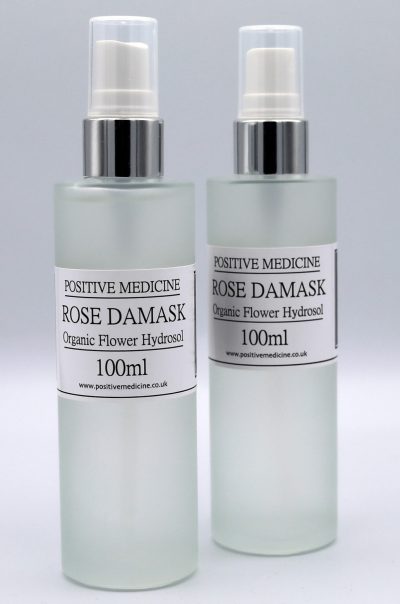
Rose flower water, also known as rose hydrosol, is the aromatic water produced during the steam distillation of rose petals, most commonly Rosa damascena. Unlike essential oil, the hydrosol contains the water-soluble constituents of the plant along with trace aromatic compounds, making it gentle, versatile and suitable for frequent use on the skin and senses.
Traditionally Reported Benefits
In traditional Persian, Middle Eastern and European herbal medicine, rose damask flower water (hydrosol of Rosa damascena) has been widely used for conditions involving emotional distress, inflammation and sensitivity of the skin and mucous membranes. Historical medical texts describe rose water as cooling, soothing and strengthening to both body and spirit.
Traditional practitioners reported the use of rose damask flower water in a range of emotional and nervous conditions, including:
-
grief and emotional shock
-
anxiety and nervous tension
-
restlessness and agitation
Rose damask flower water was commonly used to:
-
calm the nervous system
-
uplift low spirits
-
support emotional balance
It was particularly valued where symptoms were associated with:
-
sadness or heartache
-
emotional overwhelm
-
sensitivity to stress
Traditional sources also describe rose damask flower water’s use for skin-related conditions. It was applied externally for:
-
redness and irritation
-
inflamed or sensitive skin
-
acne-like eruptions and heat-related rashes
where it was believed to:
-
cool inflammation
-
soothe irritation
-
restore comfort to delicate skin
Rose damask flower water was further employed for conditions affecting the eyes. Herbal texts reference its use in:
-
eye irritation and redness
-
dryness or heat affecting the eyes
where washes or compresses were used to soothe delicate tissues.
Within traditional medicine, rose water was also valued for digestive discomfort linked to emotional stress. Preparations were used where:
-
nausea
-
abdominal unease
-
palpitations associated with anxiety
were believed to arise from emotional imbalance.
Historically, rose damask held a central place in medicine, perfumery and spiritual practice. Persian physicians such as Avicenna documented the medicinal use of rose preparations, while medieval European herbalists described rose water as strengthening to the heart and cooling to excessive heat in the body.
By the medieval and early modern periods, rose damask flower water had become a widely used household remedy across Europe and the Middle East, valued for its gentle action, suitability for frequent use and its ability to address both emotional and physical discomfort.
These reported benefits reflect centuries of traditional medical use and historical practice
Traditional Skin Use
Rose flower water has been used for centuries in traditional medicine systems for skin care and cosmetic purposes. Historically, it was valued for its cooling, soothing and toning qualities and was commonly applied to the face and body as part of daily skincare routines.
Traditional uses include:
-
Calming sensitive or reactive skin
-
Soothing redness and visible irritation
-
Supporting skin comfort in hot or inflamed conditions
-
Refreshing tired or dull-looking skin
Because of its gentle nature, rose water was traditionally used across all ages and skin types.
Circulatory & Toning Traditions
In traditional practice, rose water was valued as a mild astringent, meaning it was believed to gently tone tissues and support circulation close to the surface of the skin. This traditional context explains its long-standing use in preparations intended to improve the appearance of:
-
Redness
-
Flushed skin
-
Broken capillaries
-
Spider veins
While historical traditions described these effects in observational terms, modern interest continues around rose’s toning and cooling influence on superficial blood vessels.
Anti-Inflammatory & Cooling Traditions
Rose flower water has long been associated with cooling and calming qualities. Traditional Persian, Unani and European herbal texts describe rose preparations as suitable where heat, irritation or inflammation was present.
Rose water was often applied topically to:
-
Calm hot, irritated skin
-
Soothe sun-exposed areas
-
Refresh overheated or stressed skin
-
Provide comfort after environmental exposure
Emotional & Sensory Traditions
The aroma of rose has been traditionally associated with emotional comfort and upliftment. In traditional aromatic practice, rose water vapours were used to:
-
Encourage relaxation
-
Lift low mood
-
Ease emotional tension
-
Support rest and sleep rituals
These uses reflect rose’s historical association with the heart, emotions and wellbeing.
Historical Context
Rose water has an exceptionally rich history, particularly in Persian, Middle Eastern and Mediterranean cultures. Historical records attribute the refinement of rose distillation techniques to Avicenna (Ibn Sina), the Persian physician and scientist, who is credited with developing early methods for producing rose water.
By the 16th century, rose cultivation expanded significantly in regions such as Bulgaria, where rose water and oil became valuable exports. Rose petals were used not only in medicine, but also in perfumery, food, ritual cleansing and ceremonial practices.
Scientific Interest & Research
Modern scientific interest in rose flower water has focused on its naturally occurring antioxidant and aromatic compounds. Research has explored rose’s:
-
Antioxidant activity
-
Anti-inflammatory potential
-
Effects on mood and emotional wellbeing when inhaled
-
Mild antimicrobial properties relevant to skin care
Studies examining inhalation of rose aroma have observed calming and mood-supportive effects, which align closely with its long-standing traditional use.
Research into rose water’s skin applications continues, particularly in cosmetic and dermatological contexts.
Summary of Traditional Benefits
Traditionally, rose flower water has been valued for its role in:
-
Soothing and calming the skin
-
Reducing visible redness
-
Supporting skin tone and appearance
-
Cooling overheated or irritated skin
-
Supporting emotional wellbeing through aroma
-
Refreshing and revitalising tired skin
These uses reflect historical and traditional practice rather than medicinal claims.
Botanical Information
• Botanical name: Rosa damascena
• Common name: Rose, Damask Rose
• Plant part used: Fresh petals
• Preparation: Steam-distilled flower water (hydrosol)