
Description
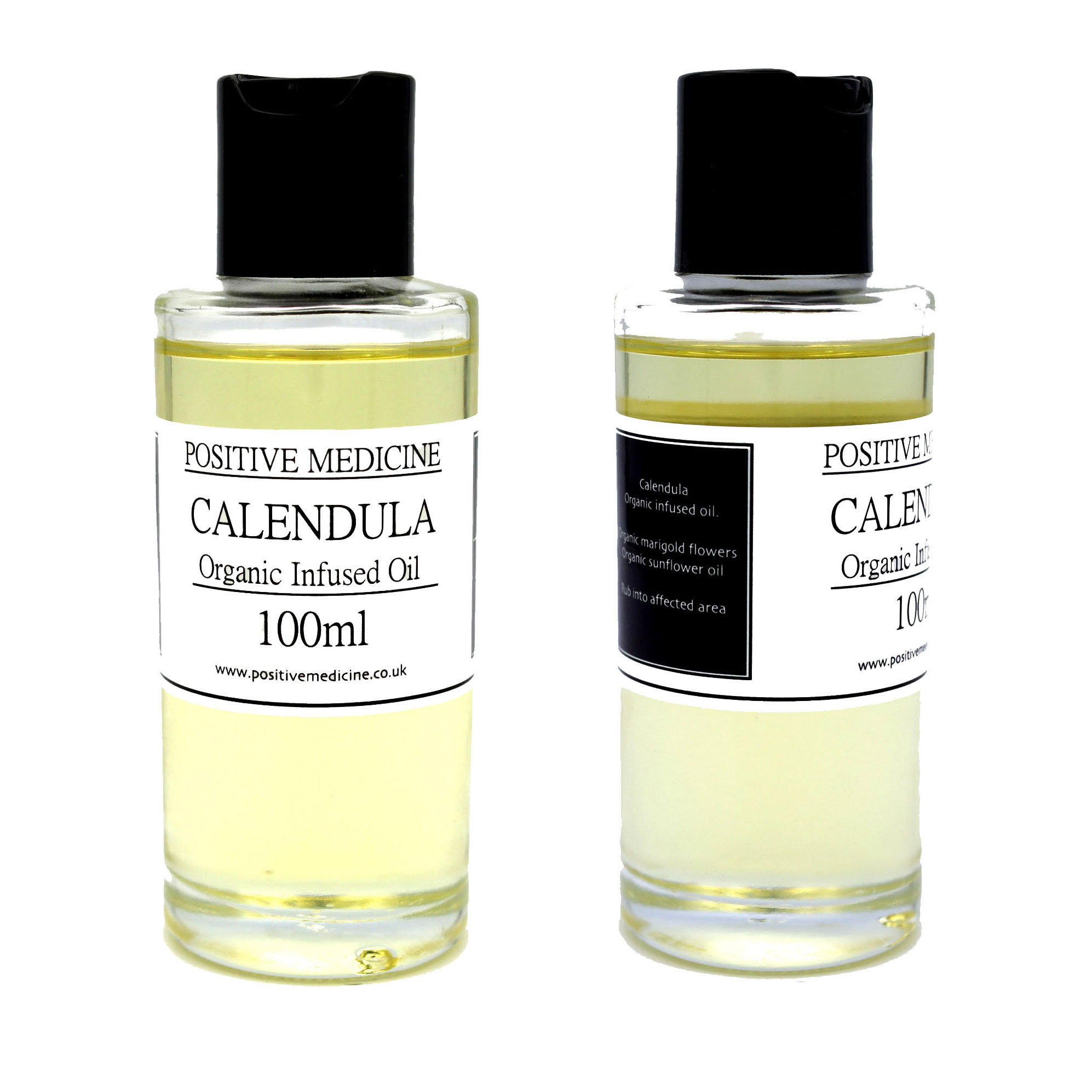
Calendula oil is prepared by infusing the flowers of Calendula officinalis in a carrier oil, creating a gentle botanical oil traditionally used in skin care. Calendula has a long history of use in European herbal practice and folk medicine, where it was valued for supporting skin comfort, resilience and recovery.
NOTE: For regulatory reasons, product pages describe ingredients and traditional context only. Information on traditional benefits, historical uses and research can be found on the Traditional Use & Research page.
Traditional Use for Skin Care
In traditional herbal practice, calendula was widely used externally for skin that appeared irritated, uncomfortable or in need of gentle care. Herbalists traditionally selected calendula for use on sensitive or reactive skin, and it was commonly included in oils, ointments and salves intended to support the skin’s natural renewal processes.
Calendula oil was historically applied to areas of dry, rough or environmentally stressed skin and was valued for its soothing and conditioning qualities. It was also traditionally used as part of daily skin-care routines to help maintain skin comfort and integrity.
Skin Comfort & Barrier Support
Traditional herbal texts describe calendula as a plant associated with calming and restoring the skin surface. Calendula oil has historically been used to:
-
Support the appearance of calm, comfortable skin
-
Help maintain skin softness and elasticity
-
Condition dry or weather-exposed areas
-
Support the skin’s natural barrier function
Because of its gentle nature, calendula oil has traditionally been used on delicate areas of skin and included in preparations suitable for regular use.
Scientific Interest & Research
Modern scientific interest in calendula has focused on its naturally occurring plant compounds, including triterpenoids, flavonoids and carotenoids. These compounds have been studied for their antioxidant activity and their interaction with inflammatory pathways in laboratory and clinical research settings.
Several studies have examined calendula extracts in topical applications, particularly in relation to skin comfort, recovery and tolerance. Research has explored calendula’s role in maintaining skin condition following environmental stress or cosmetic procedures, contributing to its continued popularity in dermatological and cosmetic formulations.
References to research reflect areas of ongoing scientific investigation and traditional use rather than medicinal claims for retail products.
Use in Modern Skin Care
Today, calendula oil remains widely used in natural skin care and cosmetic products. It is commonly included in creams, balms, massage oils and baby-care preparations due to its gentle, skin-friendly profile.
Calendula oil is particularly valued in formulations designed for sensitive, dry or reactive skin and is often combined with other botanical oils to enhance skin conditioning and comfort.
Botanical Information
• Botanical name: Calendula officinalis
• Common name: Calendula, English Marigold
• Family: Asteraceae
• Parts used: Flower petals
• Preparation: Infused botanical oil
Summary
Calendula oil reflects a long tradition of botanical skin care, combining historical use with modern scientific interest. Its continued inclusion in topical preparations highlights its reputation as a gentle, supportive oil for maintaining healthy-looking, comfortable skin.
Use
Apply a small amount to the skin as required. Suitable for facial care, body massage or as an ingredient in homemade skincare preparations.


Reviews
There are no reviews yet.