
Description
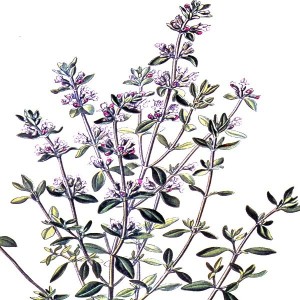
Thyme Tincture
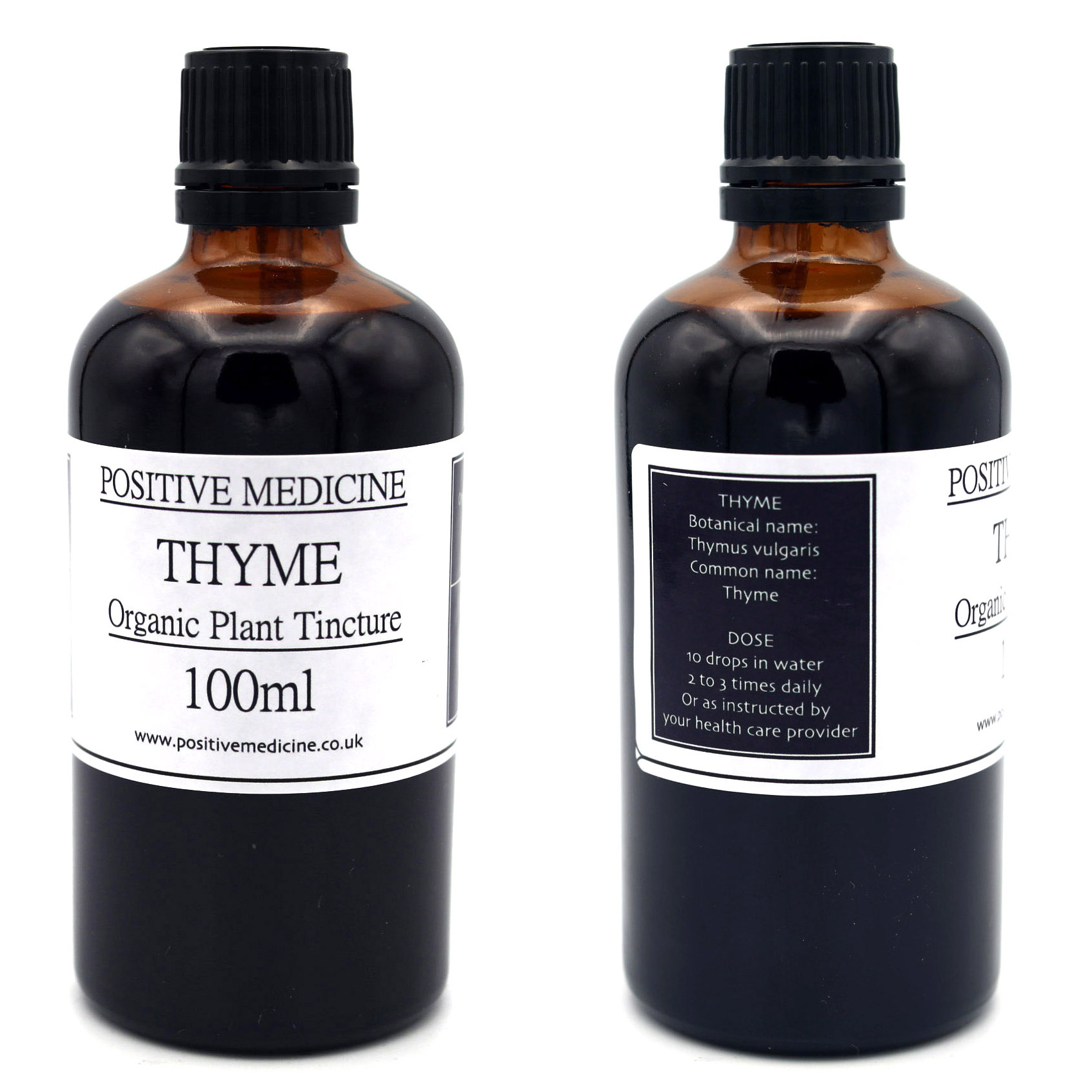
Thyme tincture is good healer for a wide range of respiratory infections and helps fight It is a natural expectorant and has antiseptic properties which encourages expulsion of mucus. Therefore it’s also good for soothing coughs and fighting nasal congestion. It is also a common herb used in cooking to flavour food.
Thyme tincture is a traditional herbal preparation long valued in European herbal practice. It has traditionally been used to support respiratory comfort and maintain clear breathing, particularly during seasonal challenges.
Thyme is an aromatic herb containing naturally occurring volatile oils, which have historically been included in herbal preparations used to support the throat and chest. In addition to its traditional herbal use, thyme is also widely known as a culinary herb, valued for its flavour and versatility in cooking.
NOTE: For regulatory reasons, product pages describe ingredients and traditional context only. Information on traditional benefits, historical uses and research can be found on the Traditional Use & Research page.
History
Thyme belongs to the mint family (Lamiaceae) and has a long history of use in both herbal practice and traditional cooking. Ancient Greek and Roman cultures valued thyme for its aromatic and cleansing qualities, and it was also used in perfumes and household preparations.
Historical herbal texts describe thyme as a supportive herb for the lungs and breathing. Nicholas Culpeper referred to thyme as a “noble strengthener of the lungs”, reflecting its traditional use within humoral medicine rather than modern medical practice.
The Herbal Medicinal Products Committee (HMPC) has acknowledged thyme’s long-standing traditional use in preparations intended to support respiratory comfort, particularly in relation to productive coughs associated with colds.In traditional herbal literature, thyme is described as a warming, aromatic herb.
Its naturally occurring volatile oils have historically been valued for their role in herbal preparations intended to support the respiratory system and overall wellbeing.
Science
Thyme has historically been included in oral hygiene preparations and mouth rinses as part of traditional herbal practice.
Scientific interest in thyme has focused on its aromatic constituents, including thymol, which have been widely studied in laboratory and professional contexts. Research has explored the traditional use of thyme in oral care preparations and its inclusion in formulations intended to support oral and digestive comfort.
Further studies have examined thyme in relation to its traditional use within women’s complaints and general wellbeing. References to research reflect areas of ongoing scientific interest.
General
Botanical name: Thymus vulgaris
Common names: Thyme
Family: Lamiaceae
Habitat: It is a native of Europe and cultivated widely.
Parts used: Aerial parts
Tincture Strength: 1:3:25% vol.alc:


Reviews
There are no reviews yet.